The Complete Spice Guide for Home Cooks: Building Your Spice Pantry
Build a versatile spice pantry with this comprehensive spice guide for home cooks. Learn which spices are essential, how to use spice blends, and techniques for getting maximum flavor from your spices.
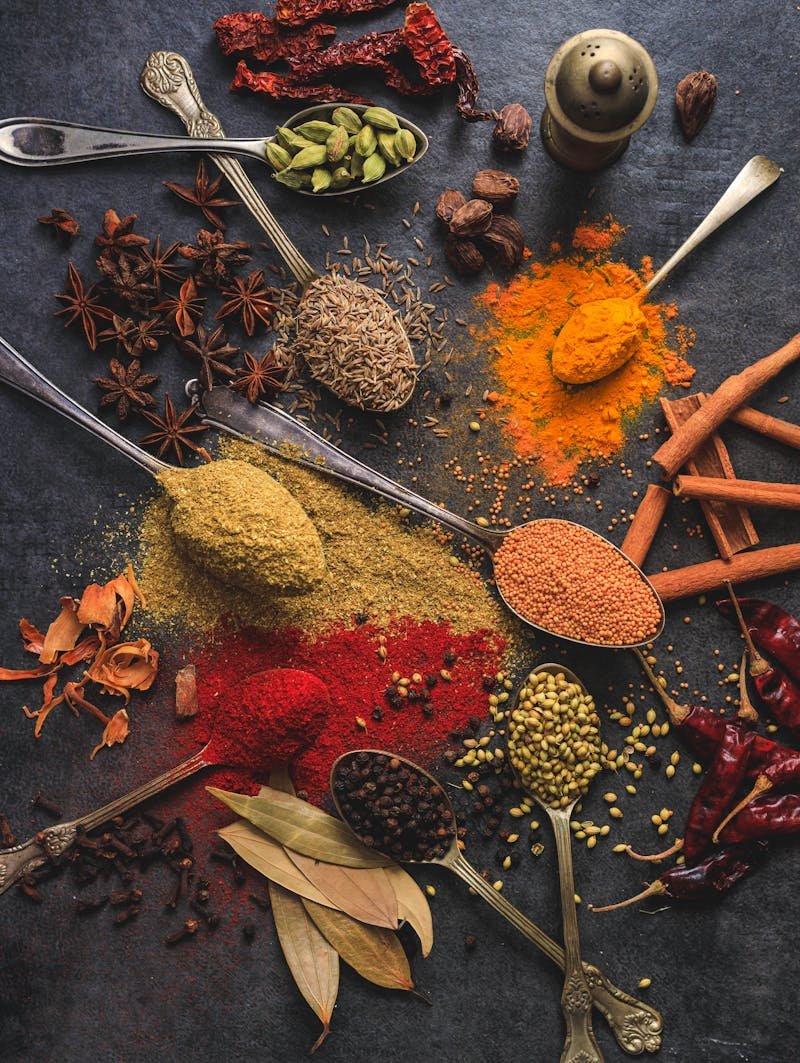
Spices are the most transformative ingredients in any kitchen. A teaspoon of the right spice can transport a dish from ordinary to extraordinary, from generic to specific, from flat to multidimensional. Yet spices remain intimidating for many home cooks — a vast, unfamiliar world of powders, seeds, and dried leaves with names borrowed from dozens of cultures and cuisines. This guide demystifies the spice pantry: what to buy, how to use it, and most importantly, how to think about spices so that you can use them confidently and creatively rather than following recipes blindly.
The Essential Spice Pantry
You do not need 50 spices to cook well — you need perhaps 15 to 20 that you use regularly, stored properly and replaced before they lose their potency. Here are the foundations:
- Smoked and sweet paprika: Spanish smoked paprika (pimentón) adds a deep, woodsy character to everything from eggs to chicken; sweet paprika is milder and more versatile
- Ground cumin: Essential in Mexican, Indian, Middle Eastern, and North African cuisines; one of the most universally useful spices
- Coriander (ground and whole seeds): Citrusy and floral; pairs beautifully with cumin in most applications
- Turmeric: Earthy, slightly bitter, and intensely golden; key in Indian cooking and increasingly used for its anti-inflammatory reputation
- Cayenne pepper: Pure heat without competing flavor; easier to control than chili flakes for precise heat level
- Red pepper flakes: More complex heat than cayenne, with slight fruitiness; indispensable in Italian and Korean cooking
- Garlic powder: Different from fresh garlic — mellower, sweeter, and extremely useful in rubs and marinades where texture matters
- Onion powder: Similar reasoning to garlic powder; adds depth without texture
- Cinnamon (Ceylon and Cassia): Not just for baking — ground cinnamon adds warmth and complexity to Moroccan tagines, chili, and lamb
- Allspice: Tastes like a blend of cinnamon, clove, and nutmeg; used in Caribbean jerk seasoning, Middle Eastern baharat, and British baking
- Black pepper (whole peppercorns): Always grind fresh — pre-ground black pepper loses most of its aromatic complexity quickly
- Cardamom: Floral, citrusy, and intensely aromatic; key in Indian chai, Scandinavian baking, and Middle Eastern coffee
Understanding Spice Blends
Spice blends are pre-mixed combinations that give you the flavor profile of a complex cuisine in a single scoop. They are not shortcuts — they are distillations of centuries of culinary tradition. Understanding the major spice blends and their component spices allows you to both use them confidently and recreate or customize them.
Garam masala (Indian) typically includes coriander, cumin, cardamom, cloves, cinnamon, and black pepper — a warm, aromatic blend that is typically added at the end of cooking to preserve its delicate aromas. Ras el hanout (North African/Moroccan) is one of the world's most complex blends, varying by maker but typically including up to 30 spices including rose petals, orris root, and a range of warm and aromatic spices. Za'atar (Middle Eastern) combines dried thyme, sumac, sesame seeds, and salt into a blend that is extraordinary on flatbread, yogurt, and roasted vegetables. Berbere (Ethiopian) is a fiery blend of chili, ginger, coriander, fenugreek, and warming spices that is the backbone of Ethiopian stews.
Maximizing Spice Flavor: Technique Matters
How you use spices is as important as which spices you choose. A few techniques make a dramatic difference in the flavor you extract:
Toast whole spices before grinding: Dry-toasting whole spices (cumin seeds, coriander seeds, cardamom pods) in a hot pan for 60–90 seconds releases essential oils and dramatically intensifies flavor. Grind immediately after toasting for maximum impact.
Bloom spices in fat: Adding ground spices to hot oil or butter at the beginning of cooking (before adding other ingredients) "blooms" them — the heat activates and releases oil-soluble aromatic compounds that do not dissolve in water. This is the technique behind Indian tadka (tempering) and is responsible for the extraordinary flavor depth in curry dishes.
Buy whole spices when possible: Whole spices retain their potency far longer than ground — cumin seeds last years; ground cumin loses its best qualities within months. Invest in a small electric spice grinder (a cheap coffee grinder dedicated to spices) for freshly ground spices whenever you need them.
Storing Spices Correctly
Spices are degraded by heat, light, moisture, and air — which means the pretty rack of spices on the counter near the stove, while aesthetically pleasing, is the worst possible storage situation. Store spices in airtight containers in a cool, dark location away from the stove. Label everything with the purchase date and replace ground spices after 6–12 months, whole spices after 2–3 years. Smell is your best quality test: a spice that does not smell strongly of itself when you open the container has lost its potency and needs replacing. Building a well-curated, properly stored spice collection is one of the highest-value investments you can make in your kitchen — and one that pays delicious dividends every single day.