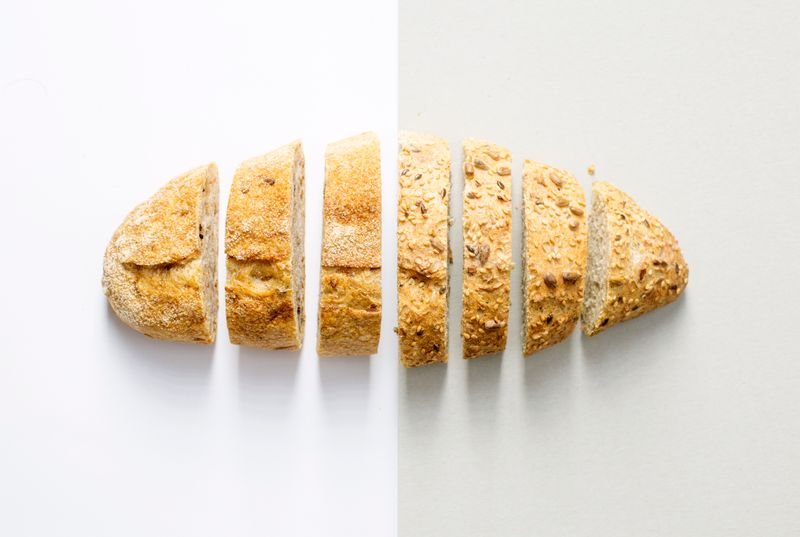
What Is Artisan Bread? Everything You Need to Know
What is artisan bread and how is it different from commercial loaves? Explore the craft, ingredients, and techniques behind real artisan bread and why it tastes so much better.
Walk past any artisan bakery and you are immediately drawn in by the aroma — that intoxicating smell of warm, crackling crust and yeasty, complex crumb. Artisan bread has experienced a dramatic resurgence in recent years, moving from the exclusive domain of European bakeries into home kitchens around the world. But what exactly makes bread "artisan," and why does it taste so dramatically different from a supermarket loaf?
Defining Artisan Bread
The term "artisan" in the context of bread refers to bread that is made by hand, in small batches, using traditional methods and high-quality ingredients — in contrast to commercially produced bread made in automated factories with additives, preservatives, and fast-acting industrial yeast. True artisan bread is defined by its process as much as its product. Long fermentation times, hands-on shaping, careful scoring, and baking in a steam-injected environment (or a home oven with a Dutch oven) all contribute to the characteristics that set artisan bread apart.
Artisan bread is characterized by a few hallmark qualities: a thick, crackling crust with a satisfying shatter when you break it; an open, irregular crumb with large air pockets; a deep, complex flavor with nutty, sour, or wheaty undertones; and a chewy, substantial texture that holds up to a generous smear of butter or a thick slice of cheese.
What Makes Artisan Bread Different?
The differences between artisan and commercial bread are both philosophical and technical. Here are the key factors that set artisan bread apart:
- Fermentation time: Artisan bread uses long, slow fermentation — often 12–24 hours or more — which develops flavor compounds and improves digestibility
- Leavening: Many artisan breads use wild yeast (sourdough starter) or minimal commercial yeast, rather than the large amounts of fast-acting yeast used in commercial production
- Ingredients: Simple, high-quality ingredients: flour, water, salt, and a leavening agent — no emulsifiers, preservatives, or dough conditioners
- Handcrafting: Each loaf is shaped by hand, giving the baker control over structure and texture
- High heat baking: Artisan loaves are baked at high temperatures (450–500°F) often with steam, creating the signature crust
Types of Artisan Bread
Artisan bread is not a single style — it encompasses a vast and delicious family of breads from cultures around the world. Sourdough is perhaps the most iconic, with its tangy flavor and open crumb. Ciabatta from Italy has a wide, flat shape and an extremely open, holey crumb perfect for sandwiches and bruschetta. French baguettes are the gold standard of crust, achieved through precise fermentation and steam baking. Focaccia, dimpled and drizzled with olive oil, sits somewhere between bread and flatbread and accepts virtually any topping. Whole grain loaves, rye breads, and seeded loaves all fall under the artisan umbrella when made with care and quality ingredients.
Can You Make Artisan Bread at Home?
Absolutely — and this is one of the most exciting parts of the artisan bread revival. Thanks to a few key techniques and one piece of equipment, home bakers can produce loaves that rival professional bakeries. The most important tool is a Dutch oven (a heavy covered pot), which traps steam during the initial baking phase and creates the conditions for an exceptional crust. High-quality flour, a slow overnight rise in the refrigerator, and careful shaping are the other key elements.
The no-knead artisan bread method, popularized by Jim Lahey and the New York Times, demonstrated that extraordinary bread requires more time than skill. By mixing a shaggy, wet dough and allowing it to ferment slowly for 12–18 hours, even complete beginners can produce loaves with impressive open crumbs and crackling crusts. This technique opened the door to home artisan bread baking for millions of people — and it remains one of the best-kept secrets in the kitchen.
Understanding what artisan bread is — and what goes into making it — deepens your appreciation for every loaf. Whether you are visiting your local bakery with fresh eyes or embarking on your own bread-baking journey at home, artisan bread represents one of humanity's oldest and most beautiful craft traditions.